Why Financial Minimalism Matters:
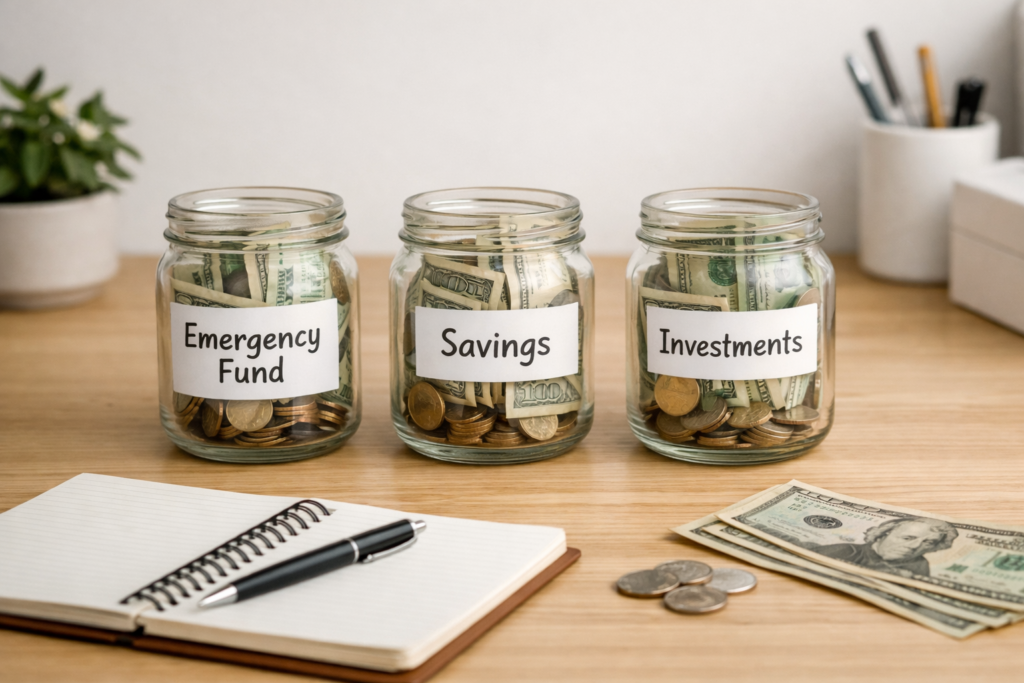
Minimalism isn’t just about cleaning your home; it also involves simplifying your finances. Financial minimalism focuses on what truly matters: security, stability, and freedom. At the core of this approach is one essential tool, your emergency fund, which plays a crucial role in practicing Minimalist Budgeting.
An emergency fund acts as your safety net. It protects you against unexpected challenges like job loss, medical bills, car repairs, or sudden costs without pushing you into debt. Think of it as the foundation for financial peace of mind. When your financial life is cluttered with debt and uncertainties, it’s impossible to feel truly at ease.
What Is an Emergency Fund?
An emergency fund is a specific amount of money set aside for urgent, unexpected expenses. It’s not for vacations, shopping, or planned purchases; it’s strictly for emergencies.
In a world that constantly encourages spending, having an emergency fund is a quiet act of rebellion. It works as your buffer against life’s unpredictability. It’s the difference between a car breakdown being a disaster or just a minor inconvenience.
Understanding Minimalist Budgeting
By integrating Minimalist Budgeting into your financial strategy, you prioritize what’s essential and reduce unnecessary expenses.
The Minimalism Connection: Debt vs Freedom
Most people see money as a tool to buy things—a financial minimalist views money as a tool to buy time and peace.
When you lack a safety net, you often have to rely on credit cards or high-interest loans. This leads to financial clutter—interest payments, monthly reminders, and the heavy feeling of owing someone else. By building an emergency fund, you effectively clear your future of potential debt.
Steps to Build Your Minimalist Safety Net:
- Define Your Bare Essentials
Minimalism teaches us to focus on needs, not wants. To know how much you need, calculate your survival number. This includes:
- Shelter: Rent or mortgage and basic utilities.
- Sustenance: Groceries, not dining out.
- Health: Essential medications, gym membership, and insurance premiums.
- Transport: Fuel or public transport to get to work.
Everything else—subscriptions, weekend trips, and new clothes—is extra. Your first goal is to protect the essentials.
- Start Small (The Starter Fund)
Don’t let the idea of saving months’ worth of expenses overwhelm you. If you focus on a huge number right away, you might feel defeated and give up.
Goal: Start with a modest target, like $300.
Action: Treat this as a bill you must pay to yourself. Even small, consistent contributions help build the habit.
- Separate Your Fund (Out of Sight, Out of Mind)
A key minimalist habit is removing temptation. Keep your emergency fund in a separate savings account, ideally at a different bank. If you see this balance every time you check your main account, you might subconsciously feel richer and spend more than you should. - Automate the Simplicity
Minimalists appreciate systems that run themselves. Set up a standing instruction or an automatic transfer for the day after your salary arrives. When the money moves automatically, you won’t need to rely on willpower to save it.
What Counts as an Emergency? (The Minimalist Filter):
To keep your fund from disappearing, you need a strict filter. Before you touch the money, ask yourself these three questions:
- Is it unexpected? (A birthday gift is not an emergency; a leaking roof is.)
- Is it absolutely necessary? (A new phone because yours is slow is not a necessity; a phone repair because the screen is shattered and you need it for work is.)
- Is it urgent? (Does it need to be paid right now to avoid a bigger problem?)
The Hidden Benefits of a Safety Net:
- Peace of Mind: You sleep better knowing you’re prepared for the worst-case scenario.
- Debt Prevention: You break the cycle of spending, borrowing, and repeating.
- Flexibility: If a better job opportunity comes along that pays less initially but offers more happiness, you have the cushion to take that risk.
- Confidence: Your financial independence increases when you know you can handle difficulties on your own.
How to Speed Up Your Savings:
If you want to reach your goal faster, look for the noise in your budget.
- The Subscription Audit: We often have invisible digital clutter. Cancel one app you don’t use.
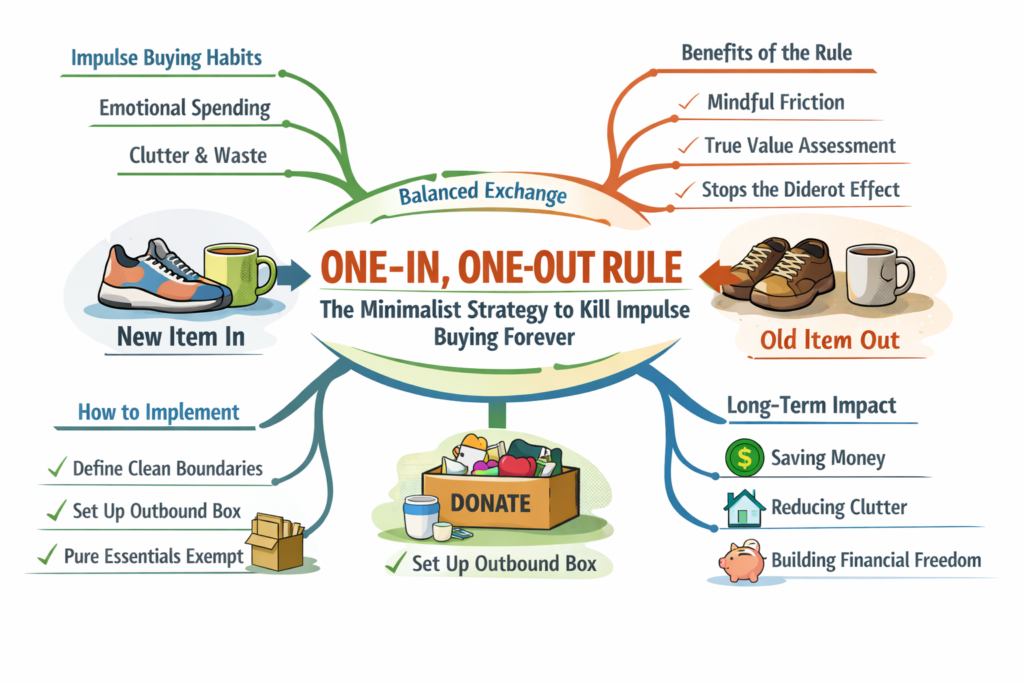
- The 48-Hour Rule: Before buying anything non-essential, wait two days. You’ll find that 70% of the time, you didn’t actually need the item.
- Sell the Clutter: Have clothes or gadgets you don’t use? Sell them and move that cash directly into your Peace of Mind fund.
Final Thoughts:
Financial minimalism isn’t about deprivation; it’s about clarity and resilience. It’s about choosing your future self over temporary impulses.
By building an emergency fund, you create space to breathe, plan, and live without constant financial stress. Your safety net is more than just money; it’s freedom. It’s the foundation on which you can build a meaningful life.
Start small, stay consistent, and watch your financial confidence grow.